


Latest posts
- Birthday!
- Verjaardag!
- They’re taking our jobs!
- Ze pikken onze banen in!
- Oproep aan de AI keukenbrigade: schrijf eens een kookboek!
- A call to the AI kitchen brigade: write a cookbook!
- How long will we use AI like a faster horse?
- Hoe lang gebruiken we AI nog als een sneller paard?
- Spreektaal wordt schrijftaal wordt internettaal – laat die AI-taal maar zitten
- Spoken language becomes written language becomes internet language – let’s pass on AI language
- Van crash test dummies tot chatbots: oude problemen in een nieuw jasje
- From crash test dummies to chatbots: old problems in a new guise
- Literacy as a response to AI magic
- Geletterdheid als weerwoord tegen AI-magie
- AI is not one thing, but a fleet
- AI is niet één ding maar een heel wagenpark
- Headaches from explainable AI?
- Hoofdpijn van uitlegbare AI?
Categorie: EN
Blogs in English
-
A year ago, I published my first blogpost (the English version was a bit later than the original Dutch version). I had found a nice comparison to illustrate the rather abstract concept ‘AI’, using an analogy that everybody knows. The expectation was that there would be more of these comparisons to be made, and that…
-
A familiar fear: what happens to my work if suddenly more people arrive who also want to work, or if new technology is introduced that takes all kinds of tasks off our hands? The impact of labour migrants has been a long-running discussion, but job losses due to AI are now becoming a topic as…
-
How did we, as humankind, ever learn to cook? Take bread. At some point, someone must have forgotten a bowl of grain porridge, only to discover later that the mixture had started to bubble and, once heated, suddenly became much tastier and lighter than intended. No idea what yeast was, no knowledge of fermentation, just…
-

“When I had asked people what they wanted, they would have said: faster horses”. Henry Ford did not really say this, but there is a reason why the quote is so popular: it just happens so often that an innovation is initially used in the old-fashioned way of working. Once we get used to the…
-

Does this sound familiar? The use of generative AI is on the rise–and you can hear it in the way we write. Its impact on language falls into three broad categories: A uniform style: GenAI often produces language that is average, polished, and predictable. One-sided perspectives: models recycle dominant patterns from their training data and…
-

Anyone with a food allergy can participate perfectly well in our society. There are laws on allergen labelling, so this group can get through life without any problems. Right? Well, not really. I know someone who is allergic to cloves. A rare allergy, but imagine having it. Those fine labelling laws do not help much…
-

Around 2018, the first group of children was born that have learned to read and write in a world where ChatGPT was already present. For them, a chatbot is probably something quite normal. A few of them will be amazed: “how is this possible?”: these are the ones that will study computer science or AI.…
-
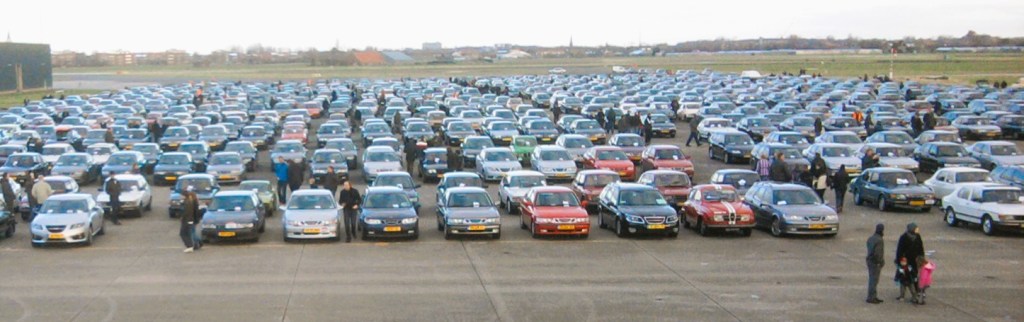
These days, when you ask someone what they think AI is, chances are that their answer contains ‘ChatGPT’, or at least another application that is based on language models. Understandable, but not correct. There are many more types of AI, all with different features. The analogy between Generative AI (chatbots) and cars that I introduced…
-

How I need car repairs, falling apples and paracetamol to make the AI black box explainable. People want to understand the world: that gives confidence and predictability. What we now call the “natural sciences” stands in a long tradition. In old stories you read about the spirit of the river, which has become angry and…
-

(This blog is a co-production with Daan Di Scala, colleague at TNO and PhD Candidate at Utrecht University.) An old application of AI that every citizen unknowingly used in the early 90s, was the automated reading of handwritten addresses on letters. This made the sorting process of the postal services considerably more efficient. The requirement…
-
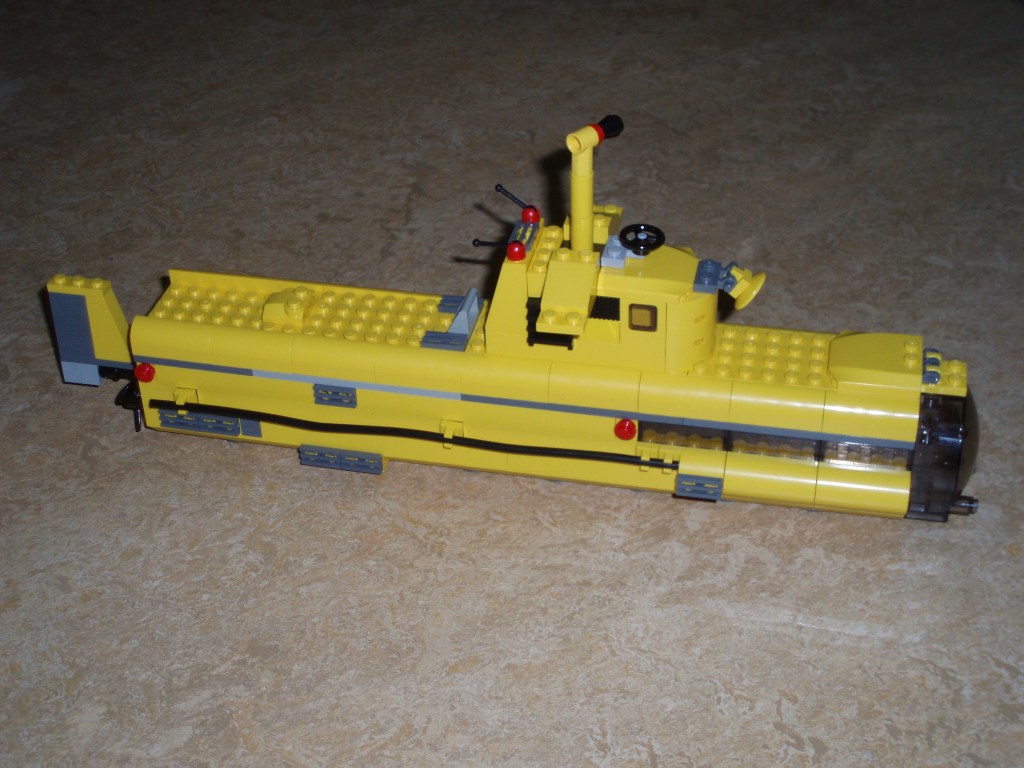
“The question whether computers can think is not more interesting than the question whether submarines can swim.” Dixit the famous computer scientist Edsger Dijkstra. However, others apparently think this is interesting: there is quite some attention to the question what AI actually does. Can you call that “thinking”? Or at least say that AI “understands”…
-

More and more human tasks are being taken over by technology – what does that say about us? The British anthropologist Richard Wrangham argues that we could only become truly ‘human’ once we were able to consume enough calories to fuel those bizarrely large brains of ours. With raw food, that’s simply not possible, he…
-
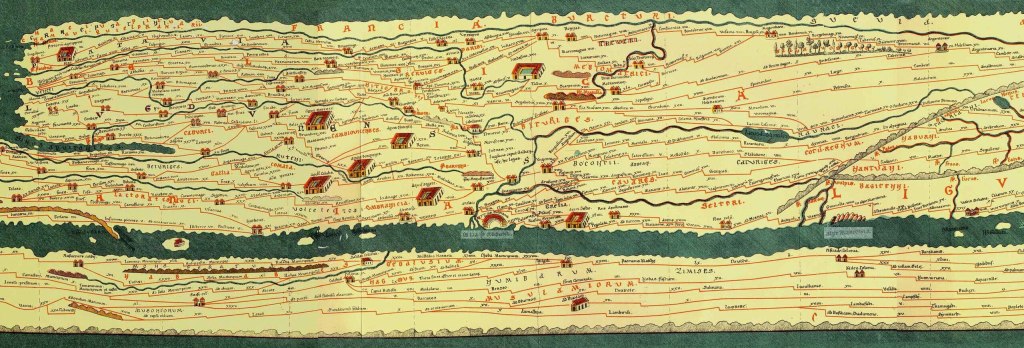
How do we learn language? Children do this without effort. Adults usually need grammar and dictionaries to learn a language. How can computers work with language? The classical Natural Language Processing (pre ChatGPT) works like adults learn a language. The computer is given a list of nouns, verbs, grammar rules, word order and some other…
-

“This time, it’s different!” Is it? Are we living in a special era, now that we’re witnessing the rise of AI, or will 22nd century historians just look at our excitement with mild curiosity? I started this blog series because I think it’s important to put the changes caused by AI in perspective. For most…
-

Back when the term ‘big data’ was very new and extremely promising, we enthusiastically told each other, “data is the new oil!” The idea was that the raw material ‘data’ would lead to a huge boom in new and useful applications. That comparison might actually be more accurate than we thought. In my favorite metaphor…

